What’s a wedding reception without something good to eat while everyone catches up?
Food plays a big part in how a wedding reception flows. Couples have plenty of options to consider, from a formal plated meal to a buffet, food stations, finger foods or a mobile food cart. The right choice depends on the type of reception, the venue, the guest list and, of course, the budget.
In this guide, we look at different wedding catering styles, how guests interact with the food, ideas for finger foods and where mobile charcuterie carts can fit into your reception. We’ll also look at planning quantities, managing your catering budget and making food part of the experience.

Choose a Catering Style That Suits Your Wedding
There is no single way to cater a wedding reception. The format you choose affects how food is served, how guests move around the venue and how much time they spend at the table. Common wedding catering styles include:
Plated Catering: With plated catering, guests are served their meal at their tables. This format can work well for receptions where the meal is a central part of the schedule and guests are seated for dinner.
Buffet Catering: A buffet allows guests to choose from a selection of dishes and serve themselves. It offers variety and gives guests some choice over what they put on their plates.
Family-Style Catering: With family-style catering, larger dishes are placed on tables for guests to share and serve themselves. It combines a seated meal with the social element of sharing food.
Food Stations: Food stations spread different food options around the reception area. Guests can move between stations and choose what they want to eat, making the food part of the movement around the room.
Cocktail-Style Catering: A cocktail-style reception can use smaller portions and finger foods that guests can eat while standing and chatting. Food can be passed by servers or arranged at stations.
Food Carts: Mobile food carts bring food directly into the reception space. Depending on the menu, they can be used for snacks, starters, desserts or as part of the main catering.
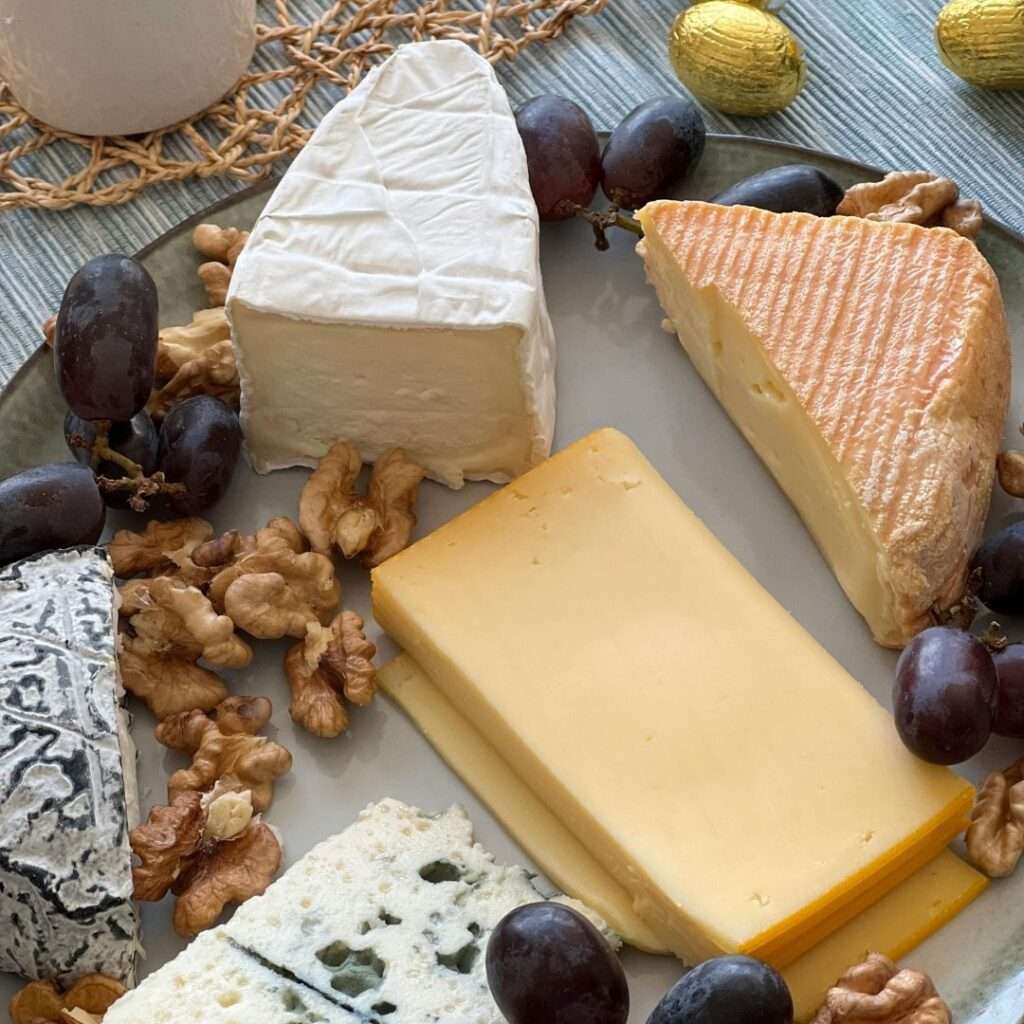
Grazing Tables and Charcuterie: Grazing tables and charcuterie displays allow guests to help themselves to a selection of items. They can work as part of a cocktail hour or alongside other catering.
Some weddings also combine more than one style. For example, couples may have finger foods or a charcuterie cart during the drinks reception before moving to a plated dinner later.
Wedding Finger Food Ideas
Finger foods can be served during a cocktail hour, alongside drinks or as part of a reception where guests are encouraged to mingle. Some options include:
- Mini sandwiches and rolls
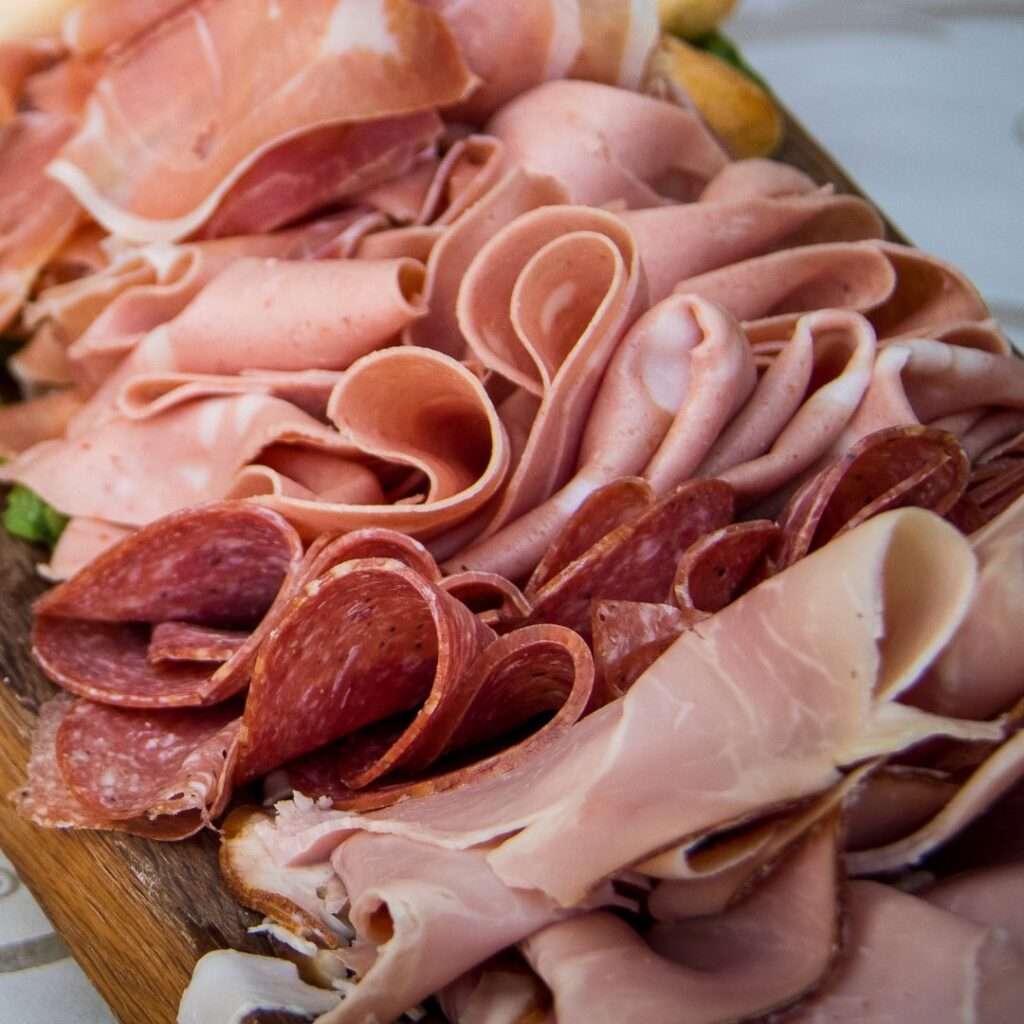
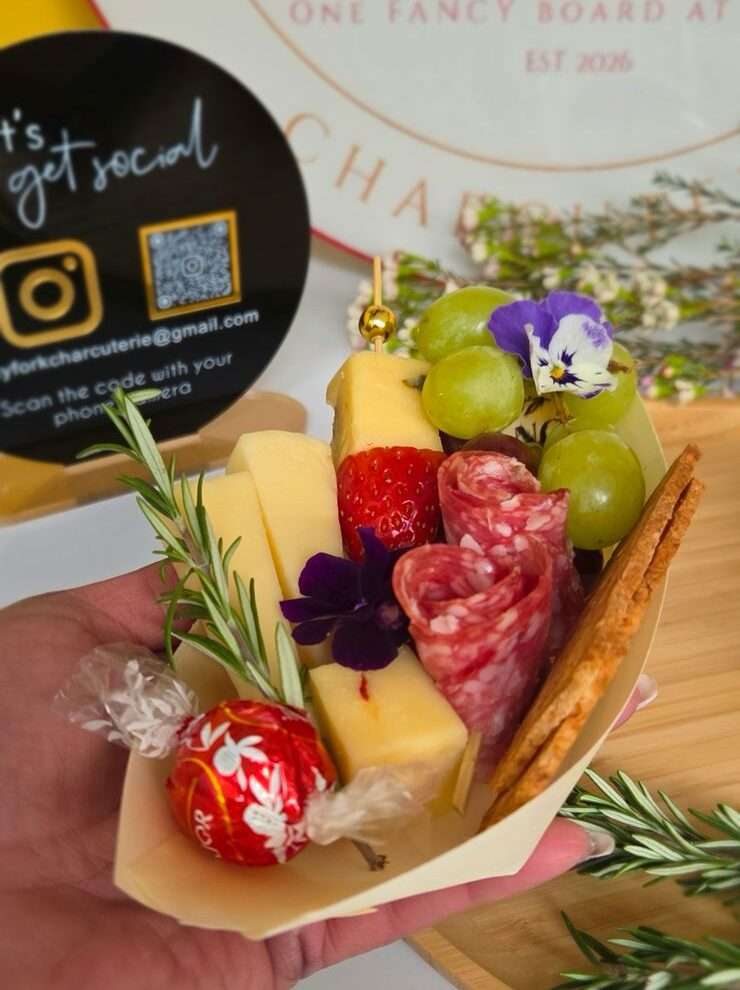
- Cheese and charcuterie
- Crackers and dips
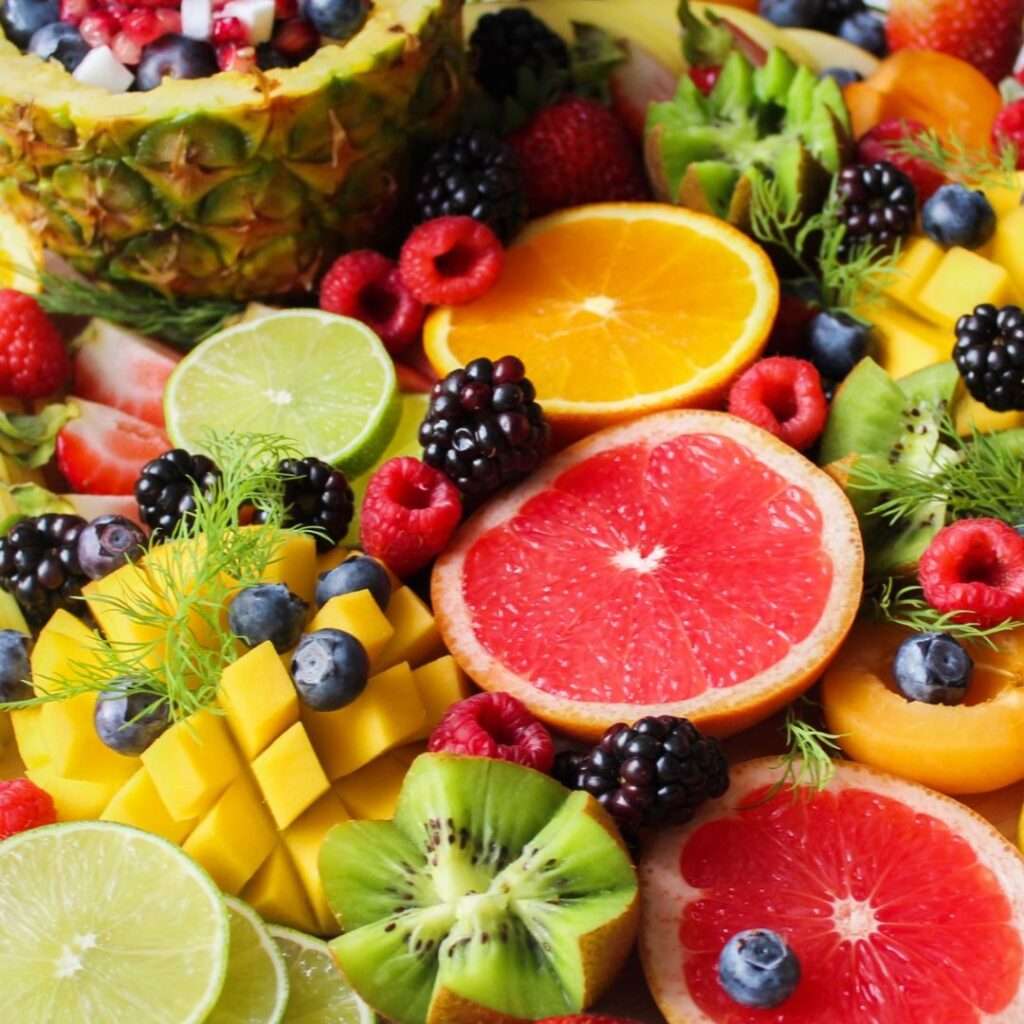
- Fresh fruit
- Vegetable bites
- Mini pastries
- Small savoury pastries
- Skewers
- Bruschetta
- Small desserts and sweet bites
The best options depend on the rest of your menu and when the food is being served. If finger foods are replacing a meal, you will need to plan differently than if they are simply being served before dinner.
For a wedding cocktail hour, one current catering guide suggests planning around 4 to 6 appetizer pieces per guest for approximately one hour, although the amount needed depends on the type of food, the timing of the meal and whether other food is being served.
Food Carts for Wedding Receptions
Mobile food carts can give couples another way to serve food at a wedding reception without making guests sit down for every bite.
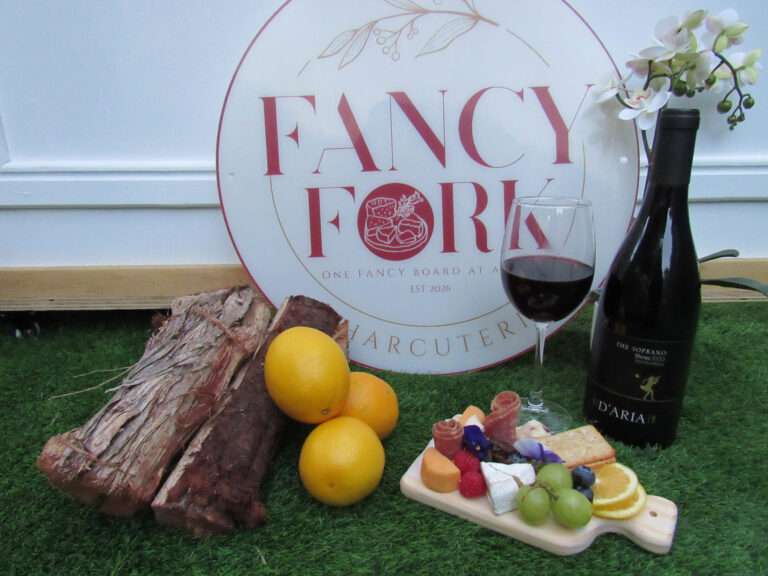
A mobile charcuterie cart, for example, can be used during the cocktail hour while the newlyweds are taking photographs. Guests can gather around the cart, choose what they want and continue chatting while they eat.
A food cart can also form part of a wider catering plan. It does not have to replace the wedding meal. It can be used alongside a buffet, plated meal or other food stations.
Why Choose a Mobile Charcuterie Cart?
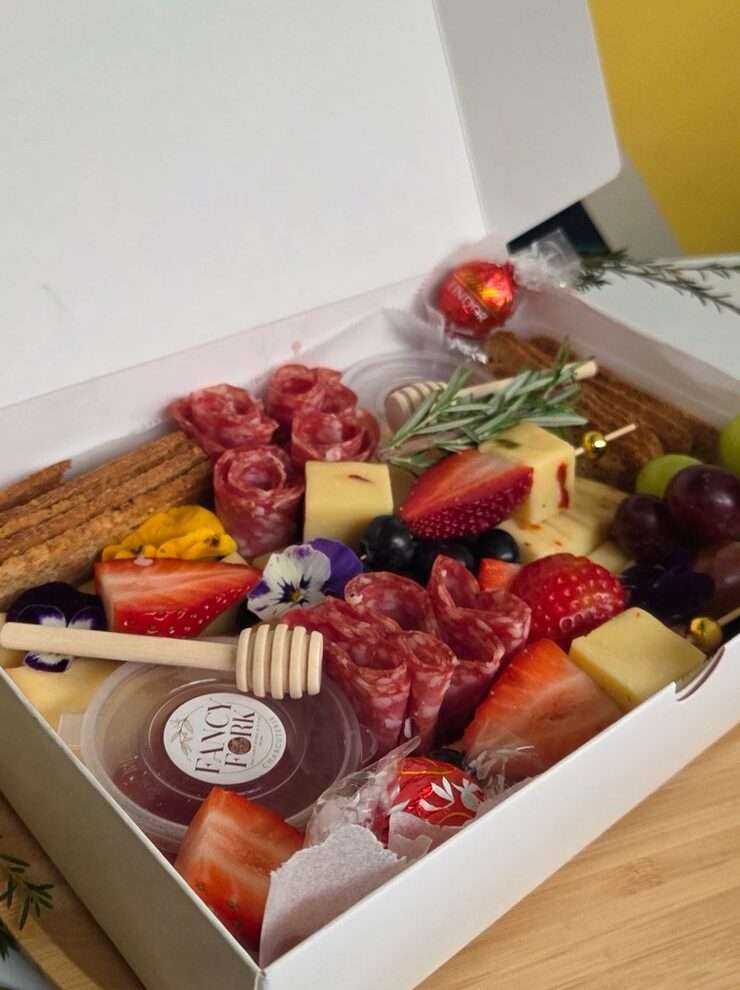
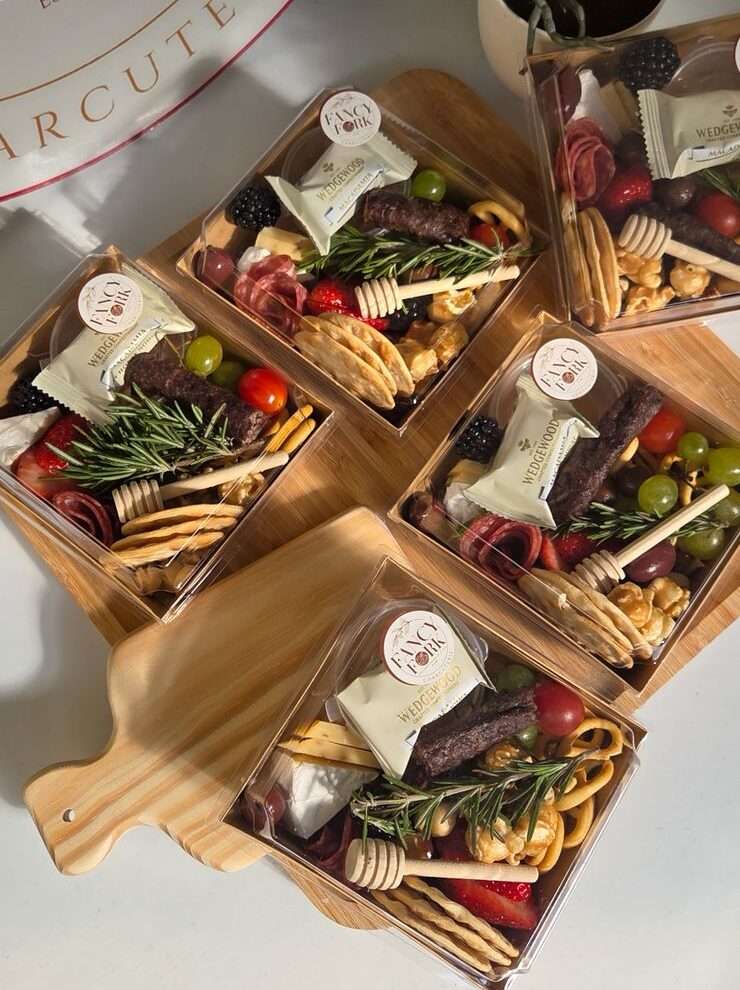
Charcuterie lends itself to social eating. Guests can choose from a selection of meats, cheeses, crackers and accompanying items rather than receiving one fixed portion.
A mobile cart also puts the food where the guests are. Instead of everyone having to move to a buffet, the food becomes part of the reception space.
For couples looking for wedding catering that encourages guests to mingle, a mobile charcuterie cart can be one option worth considering.
How Much Food Do You Need for a Wedding?
This is where things can get a little tricky. The amount of food required depends on more than your guest count.
For example, food served during a one-hour cocktail period before a full dinner is planned differently from food that needs to keep guests fed for several hours.
There is no single number that works for every wedding, so your caterer should help you determine the appropriate quantity based on your menu, service format and schedule.
It is also worth discussing dietary requirements and allergies before finalising the menu. Your caterer can then advise on suitable options and how these should be handled.
Make the Food Part of the Experience
Wedding catering does more than keep guests fed. It can influence how people move through the reception and how they spend time together.
A mobile charcuterie cart gives guests a place to gather, choose what they like and have a chat while they eat. A food station can encourage guests to explore the room. Shared platters can get people passing food around the table. Finger foods can keep conversations going without requiring everyone to stop and sit down.
There is no rule saying wedding food has to be served one way. The best catering choice is one that fits your guest list, venue, schedule and budget while giving people a reason to come together.
After all, the cake may get the big entrance, but the food is what keeps everyone coming back for seconds.